
The Intentional Living Space: A Room-by-Room Reset Guide
Simple ways to create a home that feels calmer, functions better, and makes everyday living a little easier.
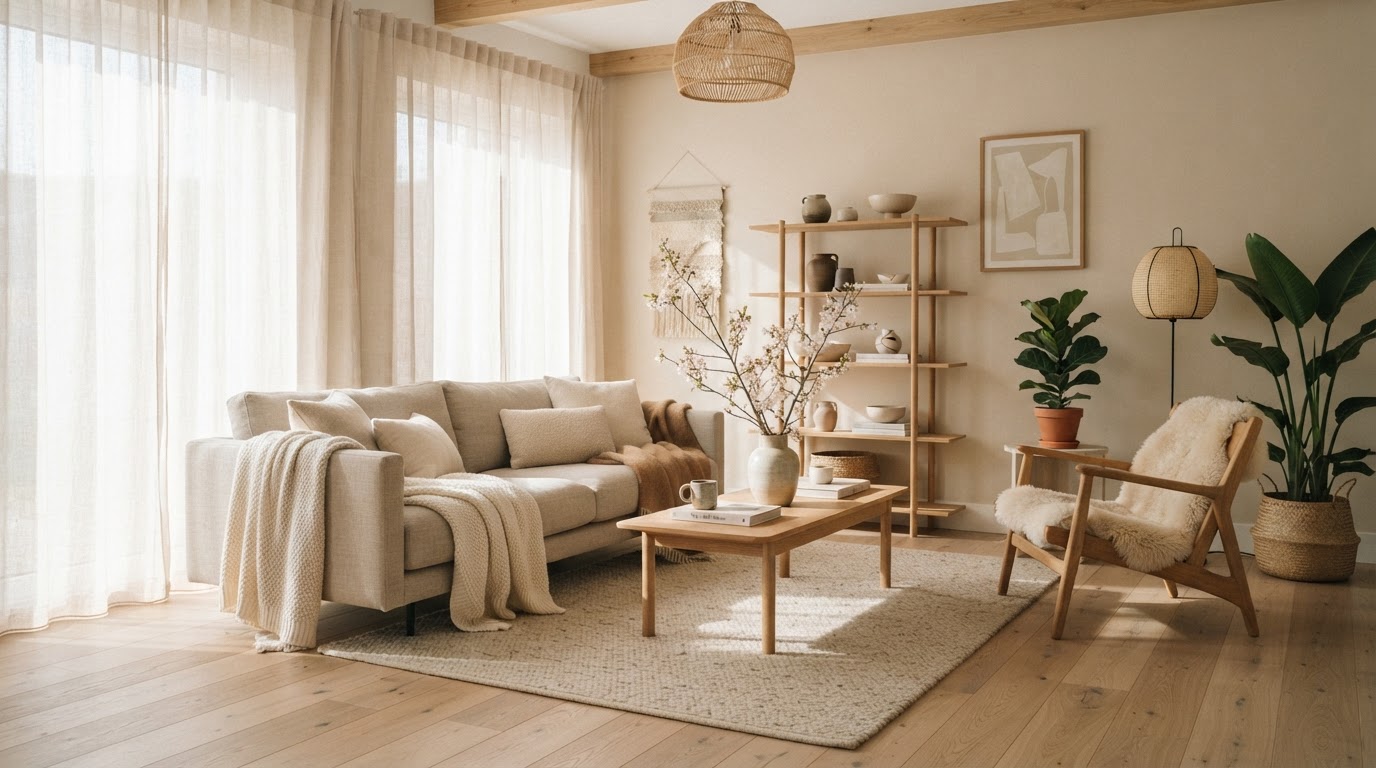
There’s a particular kind of happiness that comes from walking into a room and feeling like you can finally exhale.
Not because the furniture is expensive. Not because every pillow is perfectly positioned. And certainly not because your home looks like something from a design magazine where no one apparently owns a phone charger.
It’s because the space works for you.
An intentional living space isn’t about having less for the sake of having less. It’s about making thoughtful decisions about what deserves a place in your home.
The goal isn’t perfection. It’s creating surroundings that support the way you actually live.
And you don’t need an entire weekend, an elaborate organizing system, or seventeen matching baskets to get started.
Start With How You Want Your Home to Feel
Before you open a single drawer, consider a different question.
Instead of asking, “What should I get rid of?” ask, “How do I want this space to feel?”
Maybe you want your living room to feel welcoming rather than crowded. Perhaps you’d like your kitchen to make meal preparation easier. Or maybe your bedroom needs to become a place of rest instead of a storage facility for laundry that hasn’t quite made it into the closet.
Choose three words to guide your decisions.
For example:
Calm. Comfortable. Functional.
Your words might be different, and that’s perfectly fine.
When you’re deciding whether something belongs in a room, consider whether it supports the feeling and function you’re trying to create.
This simple shift turns organizing from a chore into a series of purposeful choices.
1. The Entryway: Make Coming Home Feel Good
Your entryway sets the tone for what happens when you walk through the door.
Unfortunately, it can also become the unofficial headquarters for shoes, packages, handbags, mail, and mysterious objects nobody remembers bringing home.
Start by clearing everything that doesn’t need to live there.
Then give your everyday essentials a designated home.
Consider:
- A small tray for keys and sunglasses
- Hooks for frequently used bags or jackets
- A basket or shelf for shoes
- A designated place for incoming mail
- A small wastebasket or recycling spot for unwanted paper
You don’t need a large entryway to make this work.
Even a narrow wall with a few thoughtfully placed hooks can create a useful landing zone.
The Bellavri idea: Make it easier to put things away than to leave them out.
If returning your keys to their designated spot requires opening three drawers and moving a stack of magazines, those keys are going to end up on the counter. Every time.
2. The Living Room: Create Space for Actual Living
The living room should accommodate the activities you enjoy, whether that’s reading, entertaining, watching movies, or spending time with family.
Begin with the surfaces.
Clear the coffee table, side tables, and entertainment area. Then return only what serves a purpose or contributes meaningfully to the room.
A favorite book, a beautiful bowl, or a family photograph may deserve a place.
Six remote controls, expired coupons, and a collection of cords probably don’t need equal billing.
Next, examine how the furniture is arranged.
Can you walk through the room comfortably? Is there a convenient place to set down a drink? Is the lighting suitable for reading or relaxing?
Sometimes moving a chair or relocating a lamp makes a bigger difference than purchasing something new.
Use storage thoughtfully, especially for items you need but don’t want constantly visible.
A basket for blankets or a drawer for electronics can be helpful, provided it doesn’t become a permanent hiding place for things you no longer use.
Try this: Choose one surface to keep clear for seven days.
It may seem like a small accomplishment, but it’s a manageable habit that can change how you experience the room.
3. The Kitchen: Make Everyday Tasks Easier
The kitchen is one of the hardest-working spaces in a home.
It’s also where gadgets, duplicate utensils, food containers, and well-intentioned purchases tend to accumulate.
Begin with your most frequently used items.
Keep everyday dishes, cooking utensils, and ingredients where you can reach them easily.
Move occasional-use items to less accessible cabinets.
Next, organize by activity.
For example, create a coffee or tea station with everything you regularly use in one area. Keep food preparation tools near your primary workspace. Store cleaning supplies safely and conveniently.
Then tackle the food-storage containers.
Match containers with their lids, recycle damaged items when appropriate, and consider whether you really need every container you’ve collected.
If a lid has been missing since 2019, there’s a reasonable chance it’s not coming home.
The goal is to reduce the little frustrations that make daily routines more complicated than necessary.
4. The Bedroom: Make Rest the Priority
Your bedroom doesn’t need to resemble a luxury hotel.
It does, however, deserve to be a place where you feel comfortable settling in at the end of the day.
Start with the nightstand.
Keep the essentials: perhaps a lamp, a book, a glass of water, and anything else you genuinely use before bed.
Move unrelated paperwork, unnecessary electronics, and accumulating clutter elsewhere.
Next, take a practical look at your closet.
Rather than reorganizing everything at once, start with one category of clothing.
Ask yourself:
- Does this fit comfortably?
- Do I wear it?
- Is it in good condition?
- Would I choose it again today?
Keep clothes that work for your current life, not just the life you imagined when you purchased them.
Consider placing a laundry basket where clothes naturally tend to accumulate.
A beautiful hamper across the room isn’t particularly useful if everything consistently ends up on the chair.
And yes, almost everyone seems to have the chair.
5. The Bathroom: Simplify Your Daily Routine
Bathrooms often contain an impressive number of partially used products.
Begin by checking expiration dates and discarding expired items appropriately, especially medications and products that may no longer be safe to use.
Then separate your essentials from occasional-use products.
Keep what you reach for every morning or evening easily accessible.
Use small organizers if they help, but measure drawers and cabinets before purchasing anything.
Transparent containers can make it easier to see what you have, while drawer dividers can prevent small items from becoming one tangled collection.
Avoid buying storage solutions before you’ve sorted what you already own.
Organizing products should solve a problem, not create a more attractive version of the same clutter.
6. The Forgotten Spaces: Give Them a Purpose
Every home has at least one area where things go to be dealt with “later.”
A hallway closet. The laundry room. A desk drawer. Maybe the garage.
Choose just one of these spaces.
Empty a manageable section, identify what belongs there, and separate anything that needs to be relocated, donated, recycled, or discarded.
Don’t attempt to solve your entire household’s storage situation in one afternoon.
A single organized shelf is a successful project.
And unlike an overwhelming whole-house makeover, it’s something you’re likely to finish.
A Small Entryway Reset Without Buying Anything
Consider a hypothetical setup for a home with no entryway closet or dedicated mudroom.
Instead of buying new furniture, begin by clearing a small landing area near your front door. You can use an existing surface, such as the corner of a console table, a small shelf, or even a sturdy stool.
Here is how to build a functional entryway system using items you already own:
- Key and essential storage: Place a shallow dish or small ceramic bowl from your kitchen on the surface for keys, lip balm, and daily essentials.
- Shoe management: Reuse an existing woven tote, flat wooden crate, or fabric basket on the floor to hold the two or three pairs of shoes you wear most often.
- Mail landing zone: Designate a single box, tray, or folder for incoming paperwork and commit to sorting through it daily so mail never accumulates into a pile.
- Regular-use filter: Keep only the items you reach for every day in this area. Store seasonal coats, extra footwear, and secondary bags elsewhere.
No entryway table available? Mount two simple wall hooks behind the door for your coat and daily bag, and place a small tray on a nearby side table. Ensure walking paths and door swings remain completely unobstructed.
Test your makeshift arrangement for seven days before deciding whether to purchase any new organizing products. In many cases, rearranging what you already own provides all the structure you need.
The 15-Minute Reset
Once your rooms are more functional, maintaining them doesn’t need to become another exhausting responsibility.
Try a simple 15-minute reset several evenings each week.
Set a timer and focus on three things:
- Return everyday objects to their designated places.
- Clear the surfaces you use most often.
- Prepare one small area for the following day.
You might reset the kitchen counter, organize the entryway, or place tomorrow’s essentials near the door.
Some days you’ll accomplish more. Other days, putting away five things is enough.
Consistency is more useful than perfection.
When the Clutter Keeps Coming Back
Even with a thoughtful setup, clutter will occasionally return. When a space begins to feel disorganized again, it usually points to a small friction point in your daily routine rather than a lack of discipline.
Here are four common challenges and practical ways to adjust:
- Items pile up far from their storage: If jackets or mail consistently land on the kitchen counter instead of their designated spots, move the storage closer to where those items are naturally dropped.
- Family members ignore the system: Complex organizational rules rarely last. Agree on simple, open-top bins or broad categories so everyone can return items in one quick motion.
- A storage basket overflows: When a container is constantly full, either reduce the number of items kept inside or schedule a brief weekly reset to clear out what is no longer needed.
- The task feels overwhelming: Avoid attempting a full-room overhaul when your energy is low. Focus on a single surface or drawer and stop once your timer finishes.
Before You Buy Another Organizer
Here’s a question worth asking:
Do I need a better storage solution, or do I simply have more than I need?
Sometimes a shelf, basket, drawer divider, or set of hooks genuinely makes life easier.
Other times, the best organizational purchase is the one you decide not to make.
Start with what you own. Identify the actual problem. Then consider whether a thoughtfully chosen product would improve the space.
This approach can help you avoid spending money on organizers that merely relocate clutter.
Your Room-by-Room Reset Checklist
Use this summary checklist as a quick reference when working through your home or establishing your daily routines.
Interactive Room Reset Checklist
Track your progress as you work through each room at your own pace.
A Home That Works for You
An intentional home isn’t a finished project.
Your routines change. Families grow. Interests evolve. Even the way you use a room can shift over time.
What matters is creating a home that adapts with you.
Start with one room. Then one drawer. Then one small habit.
Celebrate the improvements you make rather than focusing on everything still left to do.
Because the most beautiful home isn’t necessarily the one with the fewest belongings or the most coordinated furniture.
It’s the one that makes everyday life feel a little easier.
Don't organize your home to impress someone else. Create a space that supports the life you actually want to live.
A little less clutter. A little more breathing room. And a home that feels unmistakably yours.